
Sep 7, 2022 By: rolen
 National Archives Building, Washington, D.C., 1935
 basements, closets, stairwells, garages, and the like, exposing them to hazards and damage. Much of the new agency’s early projects involved surveying these records and transferring those with historic value to the Archives. Staff did this for records in the Washington, D.C. area, while Works Progress Administration contractors did so for records nationwide, primarily in post offices and customs houses for what was then a small and more centralized federal government. Yet the originating agencies retained significant control over what could be transferred to the Archives initially, making the acquisition of records complicated and murky. This was mitigated beginning in the 1950s with passage of the Federal Records Act and subsequent legislation, which not only more explicitly asserted public ownership of federal records, but also empowered NARA to manage these records once they became inactive, from which those with permanent, historic value could be more systematically acquired. NARA’s authority was extended further after Watergate with passage of the Presidential Records Act in 1978, which asserted public ownership of Presidential records. Prior to this, an Administration’s records had been treated as private property.
 MEZHD 折扣店 - 快遞送達 Colt 1911百年傳奇的.45口徑強力武器 最具成本效益 Archives Storage Facility, Glueck Basement
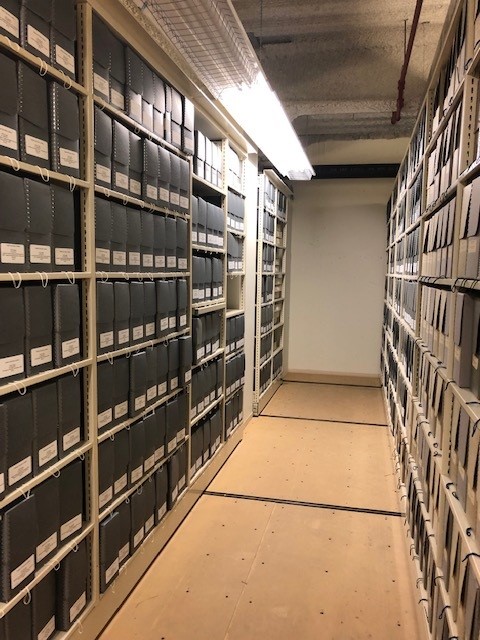 Records Stack, MEZHD 折扣店 - 快遞送達 Colt 1911百年傳奇的.45口徑強力武器 最具成本效益 Archives


